Thriving Mediterranean Gardens in India Guide

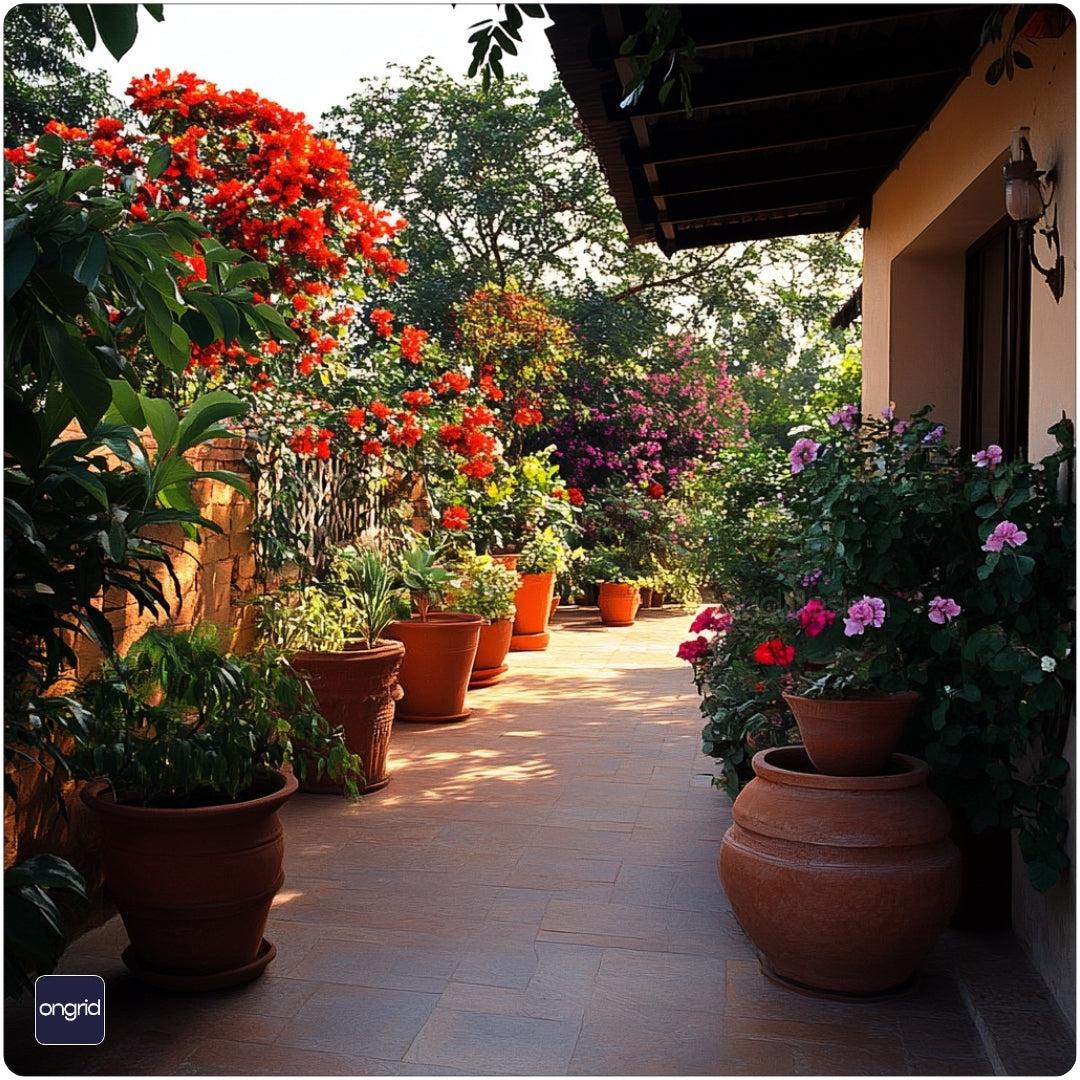
Imagine a sun-drenched sanctuary filled with vibrant colours and fragrant aromas, a personal oasis echoing the Mediterranean. This dream is achievable even in the Indian climate, particularly in Maharashtra and Karnataka, with thoughtful planning and adaptation. Applying some key Landscape Design Fundamentals can help make this dream a reality.
PlantCharacteristicsWater NeedsSunlightNative to India
Bougainvillea
Vibrant bracts, drought-tolerant



Low
Full sun
Yes
Oleander
Fragrant blooms, drought-tolerant
Low
Full sun
No
Cassia fistula
Golden canopy, drought-tolerant
Moderate
Full sun
Yes
Frangipani
Fragrant flowers, drought-tolerant
Moderate
Full sun
No
Agave
Architectural foliage, drought-tolerant
Low
Full sun
No
Aloe vera
Medicinal properties, drought-tolerant
Low
Full sun
No
Echeveria
Rosette-shaped succulents, drought-tolerant
Low
Full sun
No
Sedum
Variety of shapes and colours, drought-tolerant
Low
Full sun
No
Adapting Mediterranean Design to Indian Climates

While India shares warm temperatures with the Mediterranean, key differences like the monsoon season's intense humidity and rainfall necessitate adapting plant choices and water management strategies. Implementing Climate Responsive Design Strategies is crucial for success.
Plant Selection: Embracing Indian Alternatives
The core of a Mediterranean garden lies in drought-tolerant flora. While true olives struggle in Indian humidity, some cultivars like Olea europaea 'Arbequina' show slightly better tolerance. Similarly, while English Lavender might falter, Spanish Lavender (Lavandula hispanica) offers a more resilient, fragrant option. Embrace native Indian species with similar Mediterranean aesthetics. Bougainvillea (Bougainvillea spp.) provides vibrant colour, Oleander (Nerium oleander) offers fragrant blooms, and the Cassia fistula (Cassia fistula)—a visual analogue, not a botanical substitute for Acacia—displays a golden canopy. Succulents and cacti are also excellent choices. Consider incorporating a Vertical Garden for Indian Homes to maximize space and showcase these plants.
Trees:
- Cassia fistula (Cassia fistula)
- Frangipani (Plumeria spp.)
Shrubs:
- Bougainvillea (Bougainvillea spp.)
- Oleander (Nerium oleander)
- Spanish Lavender (Lavandula hispanica)
Succulents:
- Agave (Agave spp.)
- Aloe vera (Aloe vera)
- Echeveria (Echeveria spp.)
- Sedum (Sedum spp.)
Water Management: Efficiency is Key
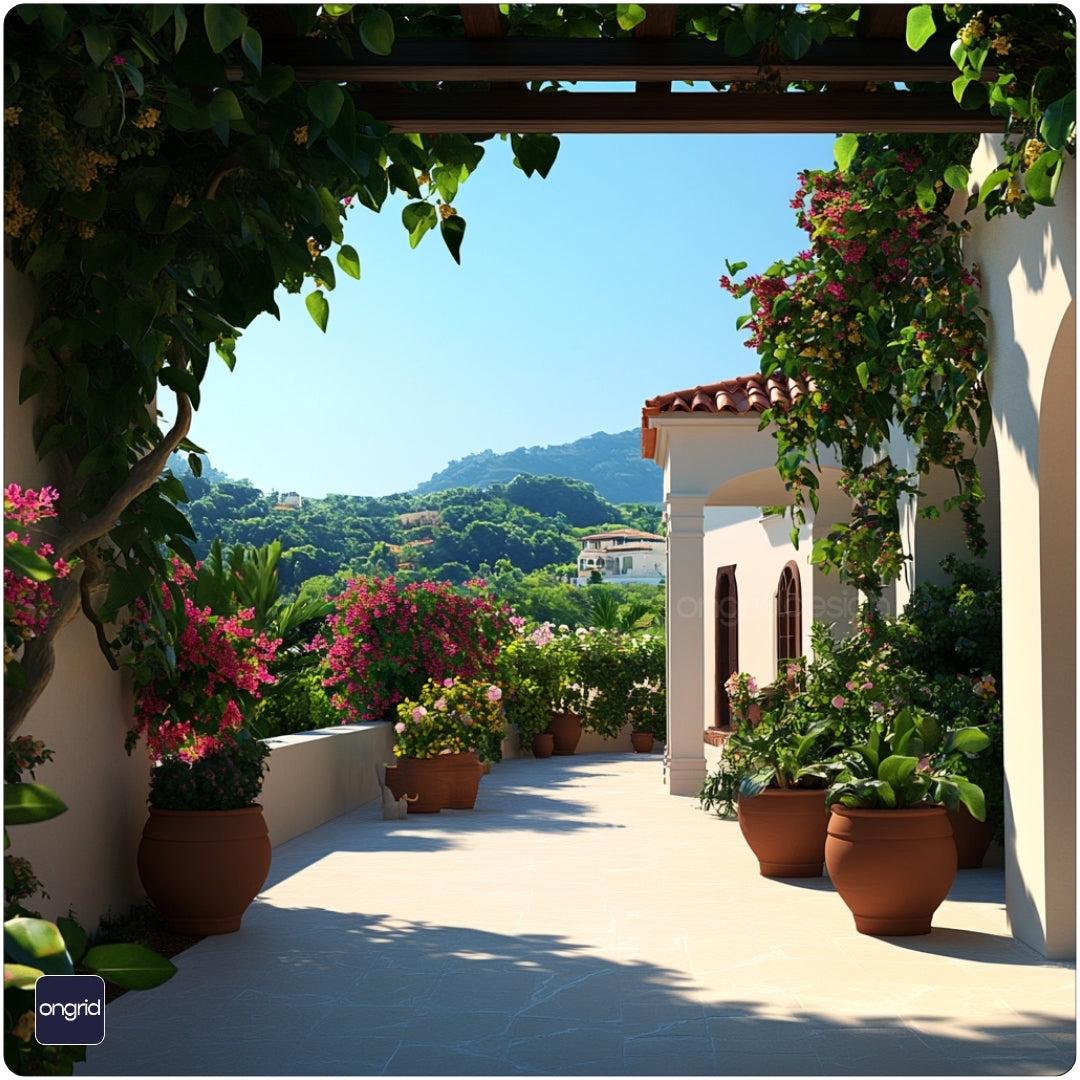
Drip irrigation delivers water directly to roots, minimizing waste. Rainwater harvesting supplements water supply, aligning with water-wise Mediterranean principles. Employing effective Water Conservation Techniques is essential. Amending soil with coco peat and perlite enhances drainage, preventing waterlogging during monsoons.
Architectural Integration: Creating the Mediterranean Ambiance
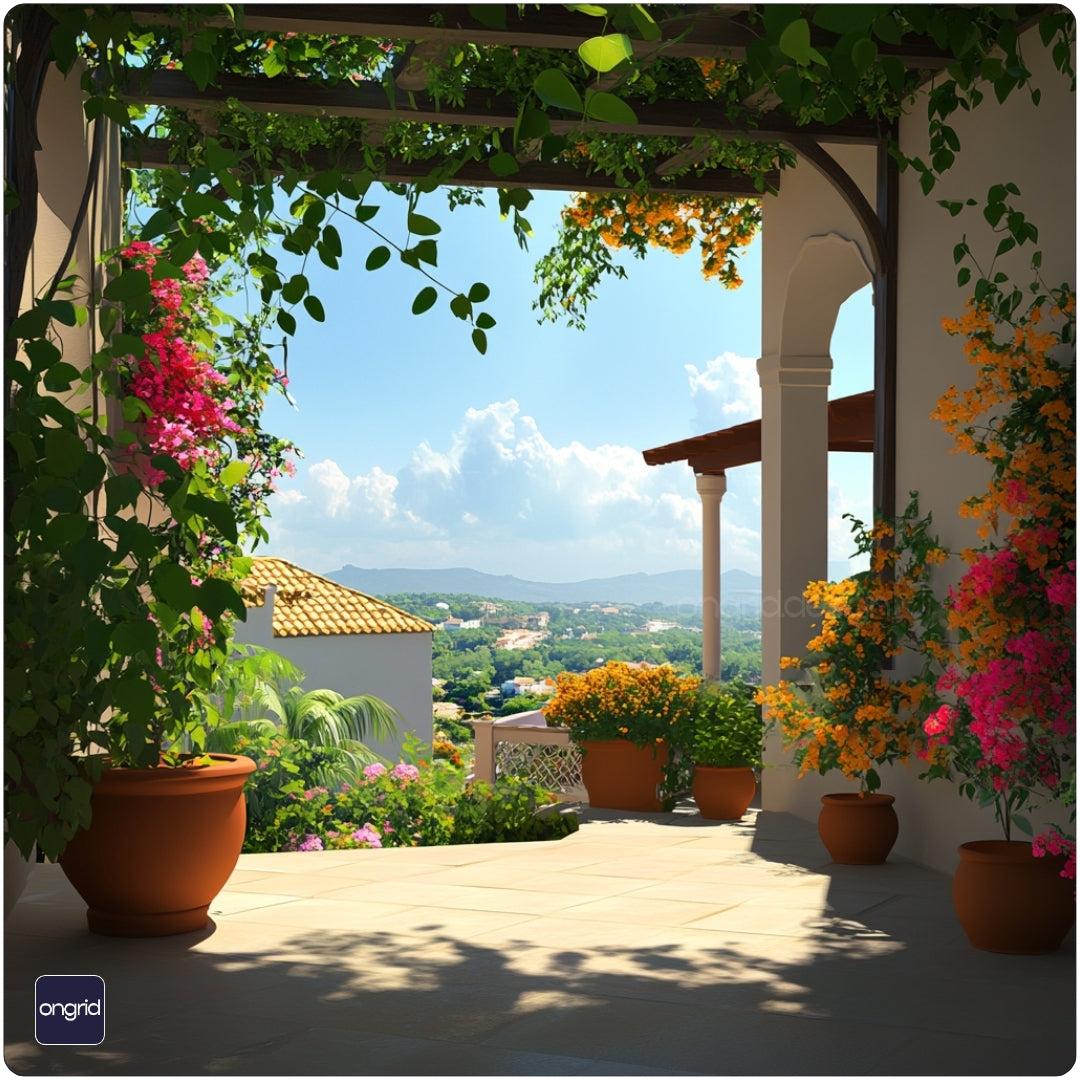
Architectural Integration and Design Style
FeatureDescriptionBenefits
Pergolas
Shaded structures, often covered with vines
Provides shade, creates a relaxing outdoor space
Courtyards
Enclosed outdoor spaces
Offers privacy, ideal for entertaining
Terraced Gardens
Gardens built on slopes with retaining walls
Aids in water management, adds visual interest
Pergolas and Courtyards
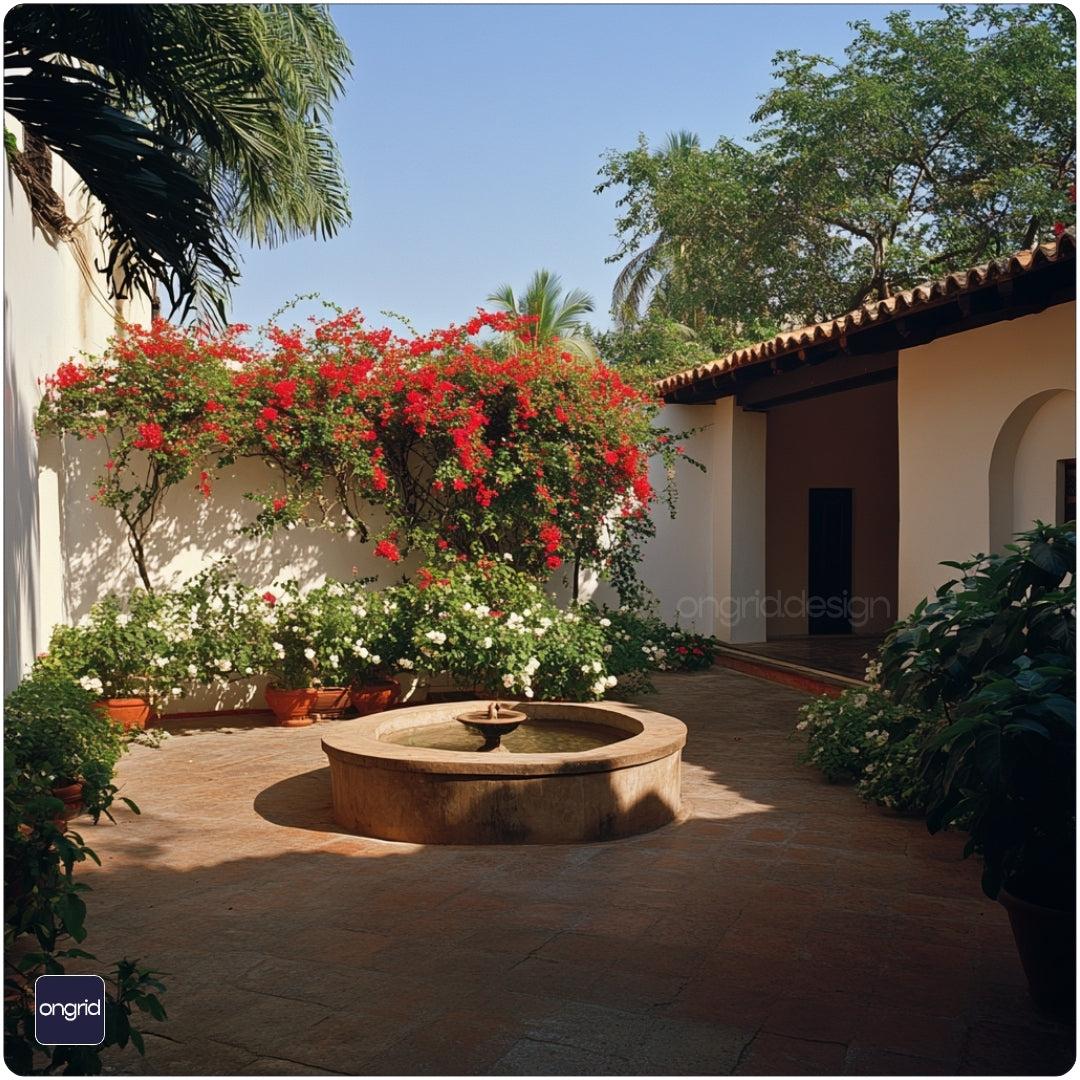
Embrace outdoor living with pergolas draped in flowering vines, creating shaded retreats. Courtyards offer private spaces for entertaining. A well-designed Courtyard in Modern Home Design can be a beautiful and functional addition.
Terraced Gardens

Terraced gardens add visual interest and aid water management on slopes. Consider a Rooftop Garden Design if space is limited. Maintain architectural harmony between home and garden using similar materials and colour palettes, perhaps even incorporating appealing Single Floor Elevations.
Indoor-Outdoor Flow
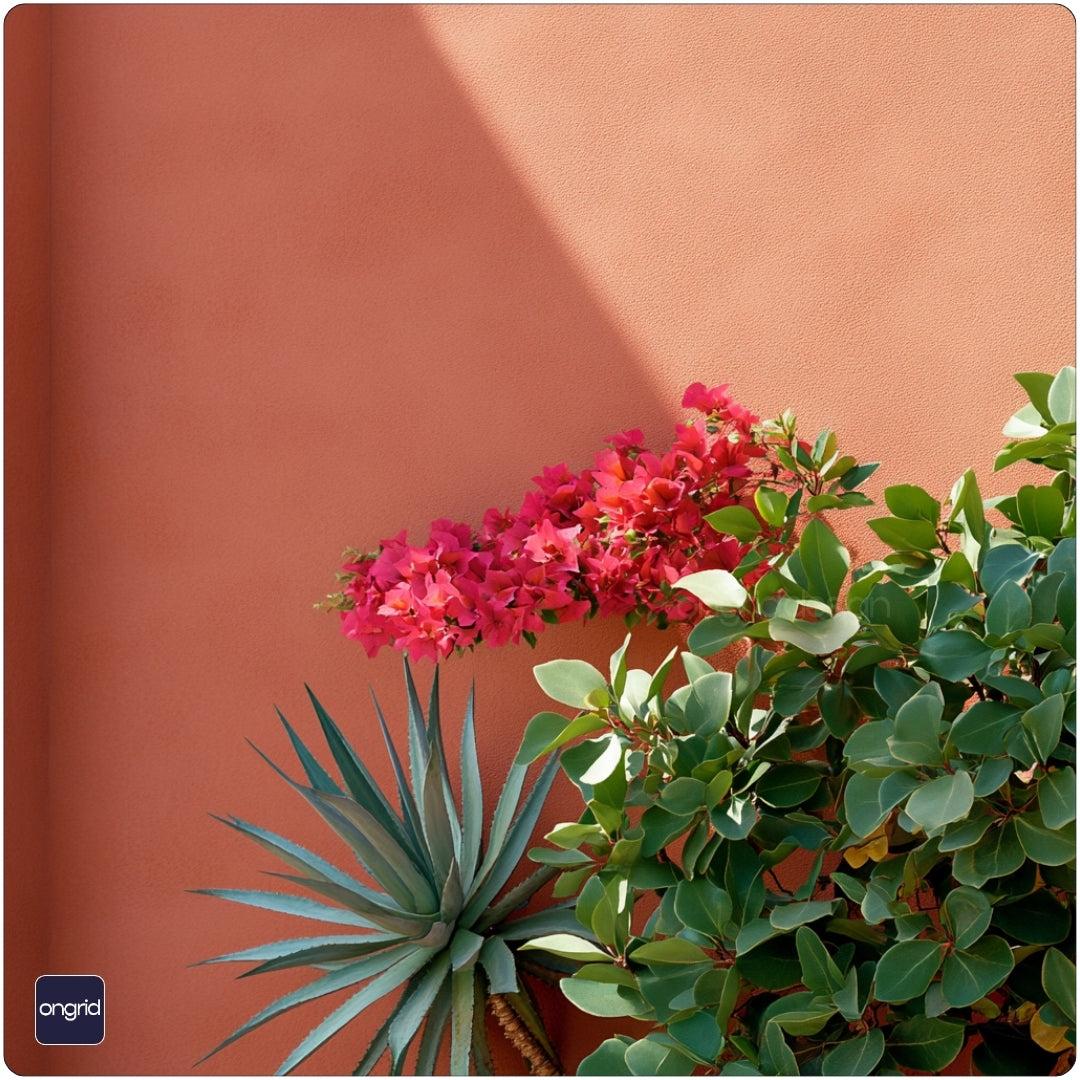
Blur the boundaries between indoors and out with large windows and doors, maximizing natural light. Bamboo blinds or retractable awnings mitigate harsh sunlight while ensuring ventilation. Passive Architecture in Indian Homes can enhance this flow and create a comfortable environment.
Blending Styles: Mediterranean Meets Indian
Integrate Mediterranean elements with local traditions. Incorporate jalis for privacy screens, exposed brick walls for texture, and locally sourced stone for pathways. A traditional Indian water feature, incorporating Water Elements in Landscape Design, can enhance a Mediterranean courtyard.
Sustainable Practices: Eco-Conscious Gardening

Sustainable Practices and Local Resources
PracticeDescriptionBenefits
Local Material Sourcing
Using materials like terracotta, laterite, Athangudi tiles
Reduces carbon footprint, supports local economies
Xeriscaping
Landscaping technique that minimizes water usage
Water conservation, complements Mediterranean design
Composting
Recycling garden waste
Reduces landfill burden, provides nutrient-rich soil amendment
Local Sourcing
Using materials like terracotta tiles, laterite stone, and Athangudi tiles reduces your carbon footprint and supports local artisans. Choosing the Best Elevation Materials for Homes can further enhance sustainability.
Xeriscaping
Xeriscaping minimizes water usage by reducing lawn area and prioritizing drought-tolerant plants and gravel pathways. Government resources like the Jal Shakti Abhiyan provide valuable information.
Composting
Composting garden waste reduces landfill burden and enriches your soil.
Regional Nuances: Tailoring Your Approach
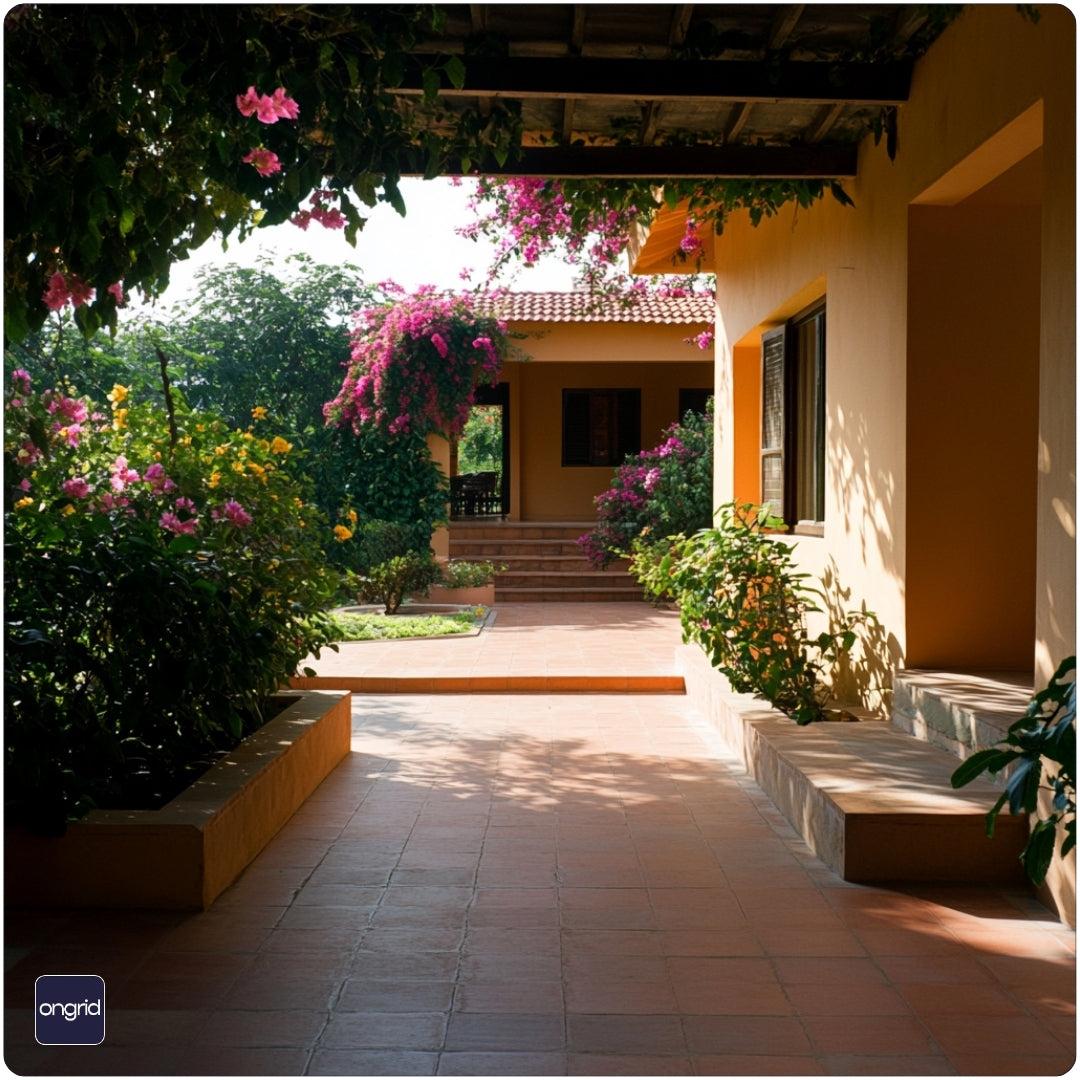
Coastal Maharashtra
Coastal Maharashtra gardens face high humidity, salt spray, and strong winds. Select salt-tolerant plants like Casuarina (Casuarina equisetifolia) , Sea Hibiscus (Hibiscus tiliaceus), and creepers like Ipomoea pes-caprae for resilience.
Karnataka's Microclimates
Karnataka’s diverse microclimates, from the coast to the Deccan plateau, require specific plant choices. Consult local nurseries for expert advice. Drought-tolerant options for the drier regions include Butea monosperma (Flame of the Forest) and Azadirachta indica (Neem).
Maintenance: Ensuring a Thriving Garden
Regular pruning and care are essential. Establish a maintenance plan or consider local gardening services. Choose pest-resistant plant varieties and opt for organic pest control.
Conclusion
Creating a Mediterranean-inspired garden in India is a rewarding journey. By adapting design principles, embracing local resources, and following these guidelines, you can cultivate a beautiful, functional, and sustainable haven.